Professional Website Maintenance Services

Best Website Maintenance in Nairobi.@Academicwritingscript.com#1

Website Maintenance Services: Sustaining Digital Excellence for Seamless Online Experiences

In the dynamic and ever-evolving landscape of the digital realm, the importance of maintaining a functional and up-to-date website cannot be overstated. Website Maintenance Services play a crucial role in ensuring that websites remain not only visually appealing but also technically sound, providing users with a seamless and secure online experience. This comprehensive guide delves into the intricacies of Website Maintenance Services, exploring their significance, key components, and the invaluable benefits they bring to businesses and individuals alike.

Website Maintenance

Understanding Website Maintenance Services:

Website Maintenance refers to the ongoing process of updating, managing, and optimizing the various elements of a website to keep it relevant, secure, and efficient. It encompasses a wide array of tasks, ranging from content updates and security patches to performance optimization and the incorporation of new features. Essentially, it is the proactive effort to preserve the integrity and functionality of a website over time.

 The Significance of Website Maintenance Services:

A well-maintained website is a reflection of a business or individual’s commitment to professionalism and user satisfaction. Several key aspects underscore the significance of investing in Website Maintenance Services:

  • User Experience (UX): Regular maintenance ensures that the website remains user-friendly, with seamless navigation and fast loading times, contributing to a positive user experience.
  • Security: Websites are susceptible to various cyber threats. Maintenance services include regular security updates and patches, minimizing vulnerabilities and safeguarding sensitive data.
  • Search Engine Optimization (SEO): Fresh and relevant content, along with optimized technical elements, contributes to higher search engine rankings, enhancing the website’s visibility and reach.
  • Technology Advancements: With the rapid evolution of web technologies, maintenance services allow for the integration of the latest features and functionalities, keeping the website aligned with industry standards.
  • Brand Reputation: An outdated or malfunctioning website can negatively impact a brand’s reputation. Regular maintenance helps in building trust and credibility among users.

 Key Components of Website Maintenance Services:

Effective Website Maintenance Services encompass a diverse set of components to address the multifaceted needs of a website. These components include:

  • Content Updates: Regularly updating website content, including text, images, and multimedia elements, ensures that information remains current and relevant.
  • Security Audits and Updates: Conducting thorough security audits and implementing updates and patches are crucial for protecting the website from potential security threats.
  • Performance Monitoring and Optimization: Analyzing website performance metrics, such as page load times and responsiveness, and optimizing them for a seamless user experience.
  • Backup and Recovery: Implementing regular data backups and establishing a robust recovery plan in case of data loss or system failures.
  • Software and Plugin Updates: Ensuring that all software, plugins, and third-party integrations are up-to-date to prevent compatibility issues and security vulnerabilities.
  • Mobile Responsiveness: Verifying that the website maintains optimal functionality and aesthetics across various devices, especially considering the prevalence of mobile users.
  • Database Maintenance: Managing and optimizing the website’s database to enhance efficiency and support scalability as the website grows.
  • SEO Analysis and Optimization: Conducting SEO audits, identifying areas for improvement, and optimizing content and technical elements for search engine visibility.

Website Maintenance

Benefits of Website Maintenance Services:

Investing in professional Website Maintenance Services yields a plethora of benefits, contributing to the sustained success of online platforms:

  • Enhanced Security: Regular updates and security checks fortify the website against potential cyber threats, protecting sensitive data and user information.
  • Improved User Experience: A well-maintained website ensures smooth navigation, fast loading times, and a visually appealing interface, leading to a positive user experience.
  • Search Engine Ranking Boost: Updated content and optimized technical elements contribute to higher search engine rankings, increasing the website’s visibility and attracting more organic traffic.
  • Cost-Efficiency: Proactive maintenance helps identify and address issues early on, preventing the need for extensive and costly repairs down the line.
  • Reliability and Trustworthiness: A consistently functional and updated website fosters trust among users, clients, and stakeholders, enhancing the overall credibility of the online presence.
  • Adaptation to Industry Trends: Regular maintenance allows for the integration of the latest features and design trends, keeping the website aligned with industry standards and user expectations.
  • Prevention of Downtime: Timely identification and resolution of potential issues minimize downtime, ensuring uninterrupted accessibility for users.
  • Scalability: As the website grows, maintenance services facilitate necessary adjustments, ensuring that the platform can accommodate increased traffic and evolving business requirements.

Choosing the Right Website Maintenance Services  Provider:

Selecting the right Website Maintenance Service provider is crucial for maximizing the benefits of ongoing website management. Consider the following factors when making this decision:

  • Experience and Expertise: Look for providers with a proven track record and expertise in website maintenance, understanding the specific needs of your industry or business.
  • Comprehensive Service Offerings: Ensure that the provider offers a comprehensive range of maintenance services, covering security, performance, content updates, and other essential components.
  • Customization: A one-size-fits-all approach may not be suitable for every website. Seek providers that offer customized maintenance plans tailored to your website’s unique requirements.
  • Communication and Support: Clear communication channels and responsive support are essential. Choose a provider that offers reliable customer support and keeps you informed about the status of your website.
  • Scalability: As your website grows, the maintenance provider should be able to scale their services accordingly, accommodating increased demands and evolving needs.
  • References and Reviews: Reviewing testimonials, case studies, and client references can provide insights into the provider’s reputation and the satisfaction of their clients.

In a digital landscape characterized by constant change and innovation, Website Maintenance Services emerge as a cornerstone for sustaining online excellence. The proactive management of websites ensures not only their functional integrity but also their ability to adapt and thrive in the competitive online environment. As businesses and individuals recognize the pivotal role of website maintenance, the collaboration with reputable service providers becomes a strategic investment in the long-term success and resilience of their digital presence

Evolving Trends in Website Maintenance Services:

As technology continues to advance, website maintenance services evolve to embrace emerging trends. Some notable trends include:

  • AI-Powered Maintenance: Integration of artificial intelligence (AI) for predictive maintenance, allowing the identification of potential issues before they impact the website’s performance.
  • Voice Search Optimization: With the rise of voice-activated devices, website maintenance now includes optimizing content for voice search, ensuring that websites remain accessible through various search methods.
  • Cybersecurity Emphasis: Given the increasing frequency of cyber threats, website maintenance services place a heightened emphasis on cybersecurity, implementing advanced measures to protect against sophisticated attacks.
  • Progressive Web App (PWA) Implementation: The adoption of PWA technology in website maintenance enables the creation of web applications that deliver a native app-like experience, enhancing user engagement and performance.
  • Content Personalization: Maintenance services now focus on tailoring content to individual user preferences through personalization algorithms, providing a more customized and relevant user experience.

 The Role of  Website Maintenance Services in E-Commerce:

For e-commerce websites, the role of maintenance is even more critical. E-commerce website maintenance services encompass:

  • Product Updates: Regularly updating product information, prices, and availability to reflect the latest offerings and maintain accurate inventory.
  • Security for Transactions: Ensuring robust security measures to safeguard customer data during online transactions, building trust and credibility.
  • Mobile Commerce Optimization: Optimizing the website for mobile commerce to meet the growing trend of users making purchases through their mobile devices.
  • Payment Gateway Maintenance: Regular checks and updates on payment gateways to ensure seamless and secure online transactions.
  • Scalability for Sales Events: Adapting the website’s capacity and performance to handle increased traffic during peak sales events, preventing crashes and downtime.

 Proactive vs. Reactive in Website Maintenance Services:

Website maintenance can be categorized into proactive and reactive approaches:

  • Proactive Maintenance: Involves regular, scheduled checks and updates to prevent potential issues. This approach minimizes the likelihood of downtime and security breaches.
  • Reactive Maintenance: Involves addressing issues as they arise. While reactive maintenance is necessary, a reliance on it may lead to prolonged downtime and potential damage to the website’s reputation.

A balanced approach often combines both proactive and reactive strategies to ensure comprehensive coverage.

 Industry-Specific Website Maintenance Services Considerations:

Different industries may have unique considerations for website maintenance:

  • Healthcare: Focus on maintaining HIPAA compliance, ensuring patient data security and adherence to industry regulations.
  • Finance: Emphasis on stringent security measures to protect financial transactions and compliance with financial regulations.
  • Education: Regular updates to course information, schedules, and integration of collaborative tools for online learning.
  • E-Commerce: Continuous monitoring of product listings, secure transaction processes, and scalability for sales events.

Future Directions in Website Maintenance Services:

Looking ahead, the future of website maintenance holds exciting possibilities:

  • Blockchain Integration: The use of blockchain for enhanced security, transparent transactions, and protection against data tampering.
  • Augmented Reality (AR) Maintenance: Incorporation of AR elements into website maintenance, providing immersive user experiences and interactive features.
  • Green Web Hosting: A growing focus on environmentally friendly web hosting solutions as part of sustainable website maintenance practices.
  • Predictive Analytics: Advanced analytics for predicting potential issues, enabling preemptive maintenance actions.

Environmental Impact Considerations in Website Maintenance Services:

In the era of increased environmental awareness, sustainable website maintenance practices are gaining prominence:

  • Energy Efficiency: Opting for energy-efficient hosting solutions to minimize the environmental impact of data centers.
  • Reducing Carbon Footprint: Employing practices that reduce the carbon footprint, such as optimizing website code and utilizing green hosting providers.

DIY vs. Professional Website  Services:

While some individuals may opt for do-it-yourself (DIY) website maintenance, professional services offer several advantages, including:

  • Expertise: Professionals bring specialized skills and experience, ensuring comprehensive and effective maintenance.
  • Time Efficiency: Professional services save time, allowing businesses and individuals to focus on their core activities.
  • Comprehensive Coverage: Professionals can address complex technical issues and provide holistic maintenance, covering various aspects of website management.


 Collaboration with Website Maintenance Services:

Effective collaboration between website maintenance and development services is essential for seamless continuity. Web development services play a vital role in implementing new features, designs, and functionalities, while maintenance services ensure ongoing optimization and security.

15. Regular Audits for Continuous Improvement:

Regular audits, including performance audits, security audits, and SEO audits, are integral to the process of continuous improvement. Audits identify areas for enhancement, ensuring that the website remains at the forefront of industry standards.

16. User Training and Support:

Website maintenance services may extend to providing user training and support. This ensures that individuals responsible for content updates and management are well-equipped to utilize the website’s features effectively.

17. Metrics and Analytics Integration:

The integration of advanced metrics and analytics tools in website maintenance allows for data-driven decision-making. Monitoring user behavior, traffic patterns, and performance metrics informs strategic adjustments and optimizations.

18. Accessibility Compliance:

Ensuring accessibility compliance is becoming increasingly important. Website maintenance services should address accessibility standards to provide an inclusive online experience for users with disabilities.

19. Crisis Management Strategies:

Preparation for potential crises, such as sudden traffic spikes or security breaches, is a vital aspect of website maintenance. Implementing crisis management strategies ensures a swift and effective response to unforeseen challenges.

20. Internationalization and Multilingual Support:

As websites cater to a global audience, website maintenance services may involve internationalization efforts, including multilingual support and localization to meet the needs of diverse user bases.

In conclusion, website maintenance services are not just about preserving the status quo; they are a dynamic and integral aspect of digital sustainability and growth. Embracing the evolving landscape of technology, security, and user expectations, website maintenance services pave the way for resilient, optimized, and future-ready online platforms. Businesses and individuals that recognize the strategic importance of proactive website maintenance are better positioned to thrive in the digital era, where a well-maintained website is a testament to a commitment to excellence and innovation.

Integration of Content Management Systems (CMS):

In the realm of website maintenance, the integration and management of Content Management Systems (CMS) play a pivotal role. CMS allows for seamless content updates, user-friendly interfaces, and efficient collaboration among multiple contributors. Website maintenance services ensure that the chosen CMS is up-to-date, secure, and aligned with the evolving needs of the website.

Mobile-First Approach:

The prevalence of mobile device usage underscores the importance of a mobile-first approach in website maintenance. Ensuring that the website is optimized for various screen sizes, devices, and browsers is essential for reaching and engaging a diverse audience. Maintenance services continually assess and enhance the mobile responsiveness of the website.

 Social Media Integration:

As an extension of online presence, social media integration is a key consideration in website maintenance. This involves updating social media links, embedding sharing features, and synchronizing content updates with social media platforms. Maintenance services contribute to the seamless integration of the website with broader digital marketing strategies.

Community and User Engagement:

For websites fostering a sense of community or user engagement, maintenance services extend beyond technical aspects. Regular updates to forums, interactive features, and user-generated content contribute to a vibrant online community. Maintenance strategies focus on fostering positive interactions and user participation.

 A/B Testing and Optimization:

To enhance user experience and achieve specific goals, A/B testing and optimization are integral components of website maintenance. These practices involve testing variations of web elements to determine the most effective options. Maintenance services implement ongoing testing and optimization strategies to improve conversion rates, user engagement, and overall website performance.

 Ethical Considerations in Website Maintenance:

Ethical considerations play a significant role in website maintenance practices. This includes ensuring privacy compliance, transparent data handling, and adherence to ethical standards in content creation and presentation. Maintenance services incorporate ethical guidelines to build trust and credibility with users.

Data Analytics for Informed Decision-Making:

The integration of robust data analytics tools facilitates informed decision-making in website maintenance. Analytics provide insights into user behavior, preferences, and performance metrics. Maintenance services leverage analytics to make strategic adjustments, identify trends, and align the website with evolving user expectations.

 Virtual Reality (VR) and Augmented Reality (AR) Integration:

As technology continues to advance, website maintenance services may explore the integration of virtual reality (VR) and augmented reality (AR) elements. This could include VR-enhanced tours, AR product visualizations, or immersive experiences that elevate the website’s engagement and interactivity.

Sustainable Web Design Practices:

In response to environmental concerns, sustainable web design practices are gaining traction in website maintenance. This involves optimizing website code, reducing unnecessary elements, and selecting eco-friendly hosting options. Maintenance services contribute to sustainable practices that align with broader environmental initiatives.

Collaboration with Cybersecurity Experts:

The ever-present threat of cyberattacks emphasizes the collaboration between website maintenance services and cybersecurity experts. Regular security audits, vulnerability assessments, and the implementation of advanced security measures are essential components of website maintenance. Collaboration ensures a comprehensive approach to safeguarding the website against evolving cyber threats.

 Voice Search and Conversational Interfaces:

With the rise of voice-activated devices, website maintenance services may focus on optimizing content for voice search and integrating conversational interfaces. This involves adapting content to align with natural language patterns and ensuring compatibility with voice search algorithms.

 Blockchain for Enhanced Security:

Blockchain technology, known for its security features, may find its way into website maintenance practices. The decentralized and tamper-resistant nature of blockchain can enhance the security of online transactions, user data, and other critical elements of website functionality.

 Dynamic Content Delivery:

Dynamic content delivery, tailored to user preferences and behavior, is a growing trend in website maintenance. This involves the use of machine learning algorithms to personalize content based on user interactions. Maintenance services play a role in implementing and refining dynamic content strategies.

Website Maintenance

 Gamification for User Engagement:

In certain contexts, website maintenance may incorporate gamification elements to enhance user engagement. This could involve the implementation of interactive games, challenges, or reward systems that make the website experience more enjoyable and interactive.

Continuous Training for Website Administrators:

Recognizing the evolving nature of technology and website management, maintenance services may include continuous training for website administrators. This ensures that administrators are equipped with the latest knowledge and skills to manage and update the website effectively.

Integration of Chatbots and AI-driven Support:

To enhance user support and interaction, website maintenance services may integrate chatbots and AI-driven support systems. These intelligent systems can handle user queries, provide assistance, and contribute to a more responsive and user-friendly website.

 Legal Compliance and Accessibility:

Website maintenance services prioritize legal compliance, including adherence to data protection regulations and accessibility standards. Ensuring that the website is accessible to users with disabilities and complies with relevant laws contributes to ethical and responsible online practices.

 Redundancy and Disaster Recovery Planning:

Preparing for unforeseen events, website maintenance services incorporate redundancy measures and disaster recovery planning. This involves creating backups, implementing failover mechanisms, and establishing protocols to recover the website swiftly in case of unexpected outages or data loss.

Social and Environmental Responsibility at website maintenance services:

In alignment with broader corporate social responsibility (CSR) initiatives, website maintenance services may incorporate practices that contribute to social and environmental responsibility. This could include energy-efficient hosting, ethical sourcing of technology components, and community engagement efforts.

 Collaboration with AI Content Generators at website maintenance services :

The integration of AI-driven content generators may become a part of website maintenance strategies. These tools can assist in generating high-quality and relevant content, saving time and resources in the content creation process.

In summary, website maintenance services are at the forefront of technological evolution, adapting to emerging trends and advancing the capabilities of online platforms. The continued integration of innovative technologies, ethical considerations, and sustainability practices positions website maintenance as a dynamic and indispensable aspect of the digital landscape. As businesses and individuals navigate the complexities of the online realm, investing in forward-thinking website maintenance services becomes instrumental for sustained success and relevance in the ever-evolving digital ecosystem

Website Development in Nairobi

Affordable website development in Nairobi

Exploring Affordable Website Development in Nairobi

Introduction

In today’s digital era, an online presence is essential for businesses of all sizes. However, the cost of website development can often be a significant concern, especially for startups and small businesses in Nairobi. The good news is that there are affordable website development options available in the city. In this article, we will explore various avenues to help you find cost-effective website development in Nairobi while maintaining quality and functionality.

Avenues to help you find cost-effective website development in Nairobi

1. Freelancers in Nairobi

One affordable option for website development in Nairobi is hiring local freelancers. Many talented web developers in Nairobi offer their services at competitive rates. Freelancers can be an excellent choice for small projects or businesses with budget constraints. To find freelancers, you can:

  • Browse freelance websites such as Upwork, Freelancer, or Fiverr.
  • Join local business and networking groups on social media platforms like LinkedIn, Facebook, or Twitter.
  • Attend local tech and business events where you can meet freelancers in person.

When working with freelancers, ensure you review their portfolios and check references to gauge the quality of their work.

2. Local Web Development Companies

Nairobi boasts a growing number of web development agencies and companies that offer cost-effective solutions. Many of these companies cater to a variety of budgets, making them a viable choice for affordable website development. To find local web development companies:

  • Conduct online searches for “web development companies in Nairobi.”
  • Check out reviews and recommendations on platforms like Google, Clutch, or social media.
  • Request quotes and proposals from multiple agencies to compare pricing and services.

When considering web development companies, inquire about their previous projects, portfolio, and any special packages or discounts they may offer to businesses on a budget.

3. Web Development Training Centers

Nairobi is home to several training centers and institutions that offer web development courses. Some of these institutions offer affordable website development in Nairobi to the public as part of their training programs. This is an excellent option for businesses seeking budget-friendly development while supporting local educational initiatives. Some of these training centers include:

  • Moringa School
  • iLab Africa
  • Africa Digital Media Institute

4. Outsourcing and Offshoring

Outsourcing website development to offshore companies or agencies in regions with lower labor costs can often result in more affordable solutions. While this option can be cost-effective, it’s essential to ensure that the quality and communication meet your requirements. Consider outsourcing to reputable agencies with a proven track record.

5. Web Development Training Centers

Educational institutions and training centers are a unique source of affordable website development in Nairobi. Students at these institutions often work on real-world projects as part of their coursework. When considering this option:

  • Evaluate Quality: Request to see samples of previous student projects and discuss your project requirements to ensure they align with the students’ capabilities.
  • Provide Guidance: Be prepared to offer guidance and mentorship to students as they may still be in the learning process.
  • Support Local Education: By choosing this option, you’re supporting local education initiatives and contributing to the growth of the tech ecosystem in Nairobi.

6. Outsourcing and Offshoring

Outsourcing to offshore website development in Nairobi can be cost-effective. However, it’s crucial to conduct thorough research and due diligence to ensure quality and effective communication. Consider the following:

  • Reputation: Choose an offshore company with a proven track record and a portfolio that aligns with your project requirements.
  • Communication Channels: Establish clear communication channels and schedules to bridge any time zone differences.
  • Contracts and Agreements: Ensure that contracts include terms for project milestones, quality control, and issue resolution procedures.

7. Website Builders

Website builders such as WordPress, Wix, and Squarespace are user-friendly platforms that offer pre-designed templates and drag-and-drop editors. They can be a cost-effective solution for businesses looking to create a basic online presence. Some key points to consider:

  • Ease of Use: Website builders require no coding knowledge, making them accessible to individuals with limited technical expertise.
  • Templates: Browse through a variety of templates to select one that suits your business’s branding and style.
  • Cost Transparency: Website builder platforms typically have clear pricing structures, including hosting fees.

8. DIY with Training

If you have the time and motivation to learn, you can embark on the do-it-yourself (DIY) route. Online platforms offer a wealth of resources and tutorials to help you create your website. Here are some considerations:

  • Learning Curve: Be prepared for a learning curve, especially if you’re new to web development.
  • Time Investment: Building a website from scratch can be time-consuming. Ensure you have the time to invest.
  • Ongoing Maintenance: Even after the initial development, websites require regular updates and maintenance to stay secure and functional.

Conclusion

Affordable website development in Nairobi is well within reach, with a range of options available to suit various budget constraints. While cost is an essential factor, remember to prioritize the quality and functionality of your website. Your website is a critical tool for your online presence and brand representation, and it’s important that it meets your business goals effectively.

By carefully researching and considering these affordable website development in Nairobi, you can find a solution that aligns with your budget while ensuring a professional, functional, and visually appealing website for your business. With the right choice, your online presence can contribute significantly to your business’s growth and success in Nairobi’s competitive market.

website development services in Kenya

Website Development Services in Kenya

Searching for Local Website Development Services in Kenya

Introduction

In today’s digital age, a strong online presence is essential for businesses of all sizes. Whether you’re a startup looking to establish your first website or an established company seeking to revamp your online presence, finding the right website development services is a critical first step. In Kenya, local web development services offer numerous advantages, including cultural understanding, accessibility, and cost-effectiveness. This article will guide you through the process of searching for and selecting local website development services in Kenya.

Process of searching for and selecting local website development services in Kenya

1. Assess Your Needs and Goals

Before you begin your search for a web development service provider, it’s crucial to have a clear understanding of your needs and goals. Consider the following:

  • What is the purpose of your website? Is it for e-commerce, showcasing your services, or providing information?
  • What features and functionalities do you require? (e.g., contact forms, online booking systems, e-commerce platforms)
  • Do you have a specific design or branding in mind?
  • What is your budget and timeline for the project?

Having a well-defined project scope will help you communicate your requirements effectively to potential service providers.

2. Local vs. Global Providers

While there are numerous global web development firms, choosing a local website development services in Kenya can offer several benefits. Local developers often have a better understanding of the Kenyan market, culture, and audience. Additionally, communication and collaboration are more accessible when you’re in the same geographical area. Local developers can meet with you in person and understand the unique challenges and opportunities your business faces in Kenya.

3. Search and Shortlist

To find local web development services in Kenya, you can start with these methods:

  • Online Search: Use search engines like Google to find local web development agencies. Include location-specific keywords such as “website development services in Kenya” or “Nairobi web development companies.”
  • Local Directories: Browse through local business directories or industry-specific directories that list web development agencies in Kenya.
  • Social Media: Platforms like LinkedIn, Twitter, and Facebook can be valuable for finding and researching web development companies. Many agencies maintain active social media profiles to showcase their work and connect with potential clients.
  • Ask for Recommendations: Reach out to your business network and ask for recommendations. Personal referrals from other business owners can be a great way to find reliable service providers.

4. Research and Vetting

Once you’ve compiled a list of potential website development services in Kenya, it’s essential to research and vet them thoroughly. Consider the following factors:

  • Portfolio: Review the agencies’ previous work and projects. Look for projects similar to your needs to gauge their expertise.
  • Client Testimonials: Read reviews and client testimonials to get an idea of the agency’s reputation and client satisfaction.
  • Expertise and Technologies: Inquire about the web development technologies and frameworks they specialize in (e.g., WordPress, Laravel, JavaScript). Ensure their expertise aligns with your project requirements.
  • Communication: Assess their communication skills and responsiveness. Clear and effective communication is crucial for a successful partnership.
  • Cost and Contracts: Obtain detailed project quotes and understand the contract terms. Be transparent about your budget and expectations.

5. Meet in Person (if possible)

Whenever feasible, arrange face-to-face meetings with potential service providers. This helps establish a personal connection and allows you to discuss your project in detail. Meeting in person can also provide insights into the agency’s work environment and team dynamics and get the best website development services in Kenya.

6. Ask Questions

Don’t hesitate to ask questions during the vetting process. Some key questions to consider include:

  • What is your experience with projects similar to mine?
  • What is the estimated timeline for the project?
  • How do you handle changes or updates during the project?
  • Do you offer ongoing support and maintenance services?
  • What is your pricing structure, and what does it include?

7. Evaluate Proposals

After receiving proposals from potential service providers, carefully evaluate them. Compare the scope, timeline, cost, and any additional services included. Consider not only the price but also the value and quality of the services offered.

8. Check References

Before making a final decision, reach out to references provided by the web development agencies. Speaking with previous clients can provide insights into the agency’s performance, reliability, and project outcomes.

9. Finalize the Agreement

Once you’ve selected a  source for website development services in Kenya, ensure that the terms and scope of the project are clearly outlined in a formal agreement or contract. This document should include project milestones, deadlines, payment terms, and any other relevant details.

10. Collaboration and Communication

Maintain open and transparent communication with the selected service provider throughout the project. Regular updates and feedback sessions can help ensure that your project stays on track and meets your expectations.

Conclusion

Choosing the right local website development services in Kenya requires careful consideration and thorough research. By assessing your needs, conducting a comprehensive search, and following a structured vetting process, you can find a reliable partner to help you create a strong online presence for your business in Kenya. Whether you’re looking to launch a new website, redesign an existing one, or add advanced functionalities, a local web development agency can provide the expertise and support you need to succeed in the Kenyan digital landscape.

Essentials of HTML/CSS Web Development

Essentials of HTML/CSS Web Development

Introduction

HTML (Hypertext Markup Language) and CSS (Cascading Style Sheets) are the foundation of web development. These two technologies work in tandem to create the visual and structural components of websites. Whether you’re a novice web developer just starting out or an experienced pro looking to refresh your knowledge, understanding the essentials of HTML/CSS website development is crucial for building effective and attractive web pages. In this article, we’ll explore the key elements and principles of HTML and CSS web development.

Key elements and principles of HTML and CSS web development

1. HTML: The Structural Backbone

HTML is the core markup language that structures the content on a web page. Understanding its essential elements is the first step in web development.

  • Document Structure: Every web page begins with the <!DOCTYPE>, which defines the document type. The <html>, <head>, and <body> tags structure the page, and the <title> tag specifies the title displayed on the browser tab.
  • Semantic Elements: HTML5 introduced a range of semantic elements like <header>, <nav>, <section>, and <footer. These tags help structure the content and improve accessibility for both users and search engines.
  • Headings: Use the <h1> through <h6> tags to create meaningful headings and subheadings. Search engines rely on these for understanding page structure.
  • Paragraphs and Text: The <p> tag creates paragraphs, while formatting tags like <strong>, <em>, and <a> (for links) enhance text.
  • Lists: HTML supports ordered <ol> and unordered <ul> lists, along with list items <li>.
  • Images: Include images with the <img> tag, and don’t forget the alt attribute for accessibility.
  • Forms: Create interactive forms using elements like <form>, <input>, <textarea>, and <button>. These are essential for user input and data collection.

2. CSS: Styling and Presentation

CSS is responsible for the visual presentation of web pages. It defines the layout, colors, fonts, and other visual aspects. Here are some essential concepts:

  • Selectors and Rules: CSS uses selectors to target HTML elements and apply styles. A basic rule looks like this: selector { property: value; }.
  • Cascading: CSS stands for “Cascading Style Sheets,” which means styles can be inherited, overridden, or combined in a hierarchy. Understanding how this cascade works is essential.
  • Box Model: Each HTML element is treated as a box, with properties for margin, padding, border, and content. Mastering the box model is crucial for layout design.
  • Layout: Positioning elements with CSS is key to creating web page layouts. Understand properties like position, display, float, and flexbox to control the layout.
  • Responsive Design: With the proliferation of mobile devices, responsive design is essential. CSS media queries allow you to adapt your layout to different screen sizes.
  • Colors and Typography: CSS defines font properties, colors, and text formatting. Know how to use properties like font-family, color, font-size, and line-height.
  • CSS Frameworks: Utilizing CSS frameworks like Bootstrap or Foundation can speed up development by providing pre-designed and responsive components.

3. Accessibility and Best Practices

Building accessible and well-structured web pages is essential for reaching a wider audience and ensuring that your site is user-friendly. Some best practices include:

  • Semantic HTML: Use semantic elements for improved accessibility and SEO.
  • Responsive Design: Ensure your website looks and functions well on a variety of devices and screen sizes.
  • Optimize Images: Use proper image formats and sizes to keep your web pages fast and efficient.
  • Consistent Branding: Maintain a consistent visual identity across your website with well-defined color schemes, typography, and logo usage.
  • Validation: Regularly validate your HTML and CSS code to catch errors and ensure cross-browser compatibility.

Conclusion

HTML and CSS are the fundamental building blocks of web development. Understanding their essential elements and principles is the first step towards creating visually appealing, user-friendly, and accessible websites. As you become more proficient in HTML and CSS, you can expand your skills to include JavaScript for interactivity and dynamic content, making you a well-rounded web developer capable of creating sophisticated and engaging web development experiences.

What are the key factors for SEO-optimized website development? 2

SEO-optimized website development 2


SEO-optimized website development

SEO-optimized website development

Unlocking the Power of SEO-Optimized Website Development at AcademicWritingScript.com

In the digital age, having a stunning website is just the beginning. To truly succeed and stand out in the online world, your website must be SEO-optimized, ensuring it’s easily discoverable by search engines and your target audience. At http://academicwritingscript.com , we specialize in SEO-optimized website development, and we’re here to unveil the key factors that make it a game-changer for your online presence.

What is SEO-Optimized Website Development?

SEO-optimized website development is the process of creating and designing a website with a primary focus on search engine optimization (SEO). It’s about building a digital platform that’s not only visually appealing and user-friendly but also structured in a way that search engines can easily crawl, index, and rank it in search results. Such websites are finely tuned to appear prominently when users search for relevant keywords, driving organic traffic and engagement.

Key Factors for SEO-Optimized Website Development:

  1. Keyword Research: Comprehensive keyword research is the foundation of SEO. It involves identifying the terms and phrases your audience is using to search for content related to your academic niche. Integrating these keywords strategically into your website’s content is crucial.
  2. Quality Content: Content is king in the world of SEO. High-quality, original, and engaging content not only appeals to your audience but also attracts search engines. Valuable content keeps visitors on your site longer and encourages them to explore further.
  3. Mobile-Friendly Design: An increasing number of users access websites on mobile devices. Your website must be responsive, adapting to various screen sizes and ensuring a seamless mobile experience.
  4. Site Speed and Performance: Fast-loading pages contribute to a better user experience and positively impact SEO. Optimize images, use content delivery networks (CDNs), and minimize code to enhance site speed.
  5. User-Friendly Navigation: A well-structured and intuitive navigation system makes it easier for users to find the content they seek. Clear menus and internal linking improve the user experience and help search engines understand your site’s structure.
  6. On-Page Optimization: This includes optimizing individual pages for specific keywords. On-page elements like meta titles, descriptions, headings, and alt tags should be keyword-rich and well-structured.
  7. URL Structure: SEO-friendly URLs are descriptive, clean, and contain relevant keywords. They provide both users and search engines with a clear understanding of the page’s content.
  8. Technical SEO: Technical aspects, such as XML sitemaps, robots.txt files, and schema markup, help search engines crawl and index your site more efficiently.
  9. Backlinks and Authority: Quality backlinks from authoritative sources can significantly boost your website’s credibility in the eyes of search engines. Building a network of trusted backlinks is an essential component of SEO optimization.
  10. Local SEO: If your academic services are location-specific, local SEO is vital. This includes optimizing your site for local search results, including Google My Business listings and location-based keywords.
  11. Analytics and Monitoring: Implementing tools like Google Analytics allows you to track user behavior, site performance, and the effectiveness of your SEO strategies.
  12. Regular Updates and Maintenance: Search engines prefer fresh content. Regularly updating your website with new, relevant content signals to search engines that your site is active and valuable.

At AcademicWritingScript.com, we excel in SEO-optimized website development, combining our academic expertise http://awasam.com with advanced SEO strategies to create a digital platform that not only captures your academic excellence but also reaches a broader audience through organic search results.

Discover the power of SEO-optimized website development with us, and together, we’ll elevate your online presence, engage your audience, and enhance your academic brand.

AcademicWritingScript.com – Your Partner in SEO-Optimized Academic Web Development. Your success is our all time priority 

web development project

PHP for Web Development Project

Why Choose PHP for Your Web Development Project?

Choosing the right programming language for your web development project is a critical decision that can greatly influence the success and efficiency of your endeavor. PHP (Hypertext Preprocessor) has remained a popular and reliable choice for web development for over two decades. In this article, we will explore the numerous reasons why you should consider PHP for your next web development project.

Reasons why you should consider PHP for your next web development project

  1. Widespread Popularity

PHP enjoys widespread popularity and adoption among web developers. It powers over 80% of websites on the internet, including major players like Facebook, WordPress, and Wikipedia. This extensive community and user base result in a wealth of resources, documentation, and support that can be invaluable for developers.

  1. Open Source and Cost-Effective

PHP is an open-source scripting language, which means it’s free to use and distribute. This is a significant advantage for businesses looking to keep their development costs in check. The absence of licensing fees makes PHP an attractive choice for startups and small businesses.

  1. Cross-Platform Compatibility

PHP is platform-agnostic, meaning it can run on various operating systems like Linux, Windows, macOS, and Unix. This cross-platform compatibility allows you to host your web application on a wide range of servers, providing flexibility and cost-saving opportunities.

  1. Large Developer Community

The PHP community is one of the largest and most active in the programming world. A vast pool of developers continuously contributes to the language’s growth and improvement. This means you can easily find skilled developers and resources to assist with your project.

  1. Extensive Framework Support

PHP has a multitude of robust and well-established frameworks, such as Laravel, Symfony, and CodeIgniter. These frameworks expedite web development by providing pre-built components, security features, and best practices, allowing developers to focus on building the application’s unique features rather than reinventing the wheel.

  1. High Performance

Over the years, PHP has seen performance improvements. PHP 7 and later versions have significantly boosted speed and reduced memory consumption, making PHP applications more efficient and faster to load. This improved performance is especially important for delivering a responsive user experience.

  1. Great for Web Applications

PHP is specifically designed for web development project, making it a natural choice for building web applications. Its syntax and features are well-suited for tasks such as handling form data, connecting to databases, and interacting with web servers.

  1. Database Integration

PHP offers seamless integration with a wide array of databases, with MySQL being one of the most commonly used options. This facilitates the development of dynamic web applications that rely on robust data storage and retrieval mechanisms.

  1. Scalability

PHP web applications are easily scalable, allowing your project to grow in tandem with your business. As your traffic and feature requirements increase, you can enhance your PHP application without major overhauls.

  1. Security

Security is a paramount concern in web development project. PHP has an active community that continuously updates and enhances its security features. Best practices and security guidelines are well-documented, and PHP provides tools to protect against common web vulnerabilities when properly configured and utilized.

Certainly, let’s delve deeper into the advantages of choosing PHP for your web development project.

  1. Content Management Systems (CMS)

PHP powers some of the most popular content management systems, including WordPress, Joomla, and Drupal. These CMS platforms enable you to manage your website content, update it easily, and add new features without extensive coding. For businesses looking to maintain dynamic websites with minimal technical knowledge, these CMS options are a strong reason to choose PHP.

  1. Rapid Development

PHP’s simplicity and ease of use allow for rapid development. Developers can create web applications and websites in less time compared to some other programming languages, making it a cost-effective choice for project completion.

  1. Community Support and Libraries

The PHP community is not only large but also proactive. They continually update and enhance the language, providing security patches and feature improvements. Furthermore, PHP offers a wide range of libraries and extensions that simplify common tasks, such as handling image processing, PDF generation, and more.

  1. Object-Oriented Programming (OOP)

PHP has evolved to support object-oriented programming, which enhances code reusability, maintainability, and modularity. This is particularly beneficial for large and complex web applications.

  1. Integration with APIs and Services

PHP seamlessly integrates with external services and APIs, allowing your web application to connect with various third-party platforms and expand its functionality. Whether you need to integrate with social media, payment gateways, or other services, PHP simplifies the process.

  1. Community and Online Resources

With the widespread use of PHP, you’ll find a wealth of online resources, tutorials, forums, and blogs. This makes it easy for both novice and experienced developers to find help, troubleshoot issues, and gain insights into best practices.

  1. Support for Web Services

PHP can be used to create RESTful APIs and web services, making it an ideal choice for building the backend of applications that rely on data exchange between servers and clients. This capability is essential for developing web and mobile applications that require real-time data communication.

  1. Internationalization and Multilingual Support

For businesses targeting global audiences, PHP offers robust support for internationalization and multilingual features. You can easily develop applications that cater to various languages and regions, making it easier to expand your business to different markets.

  1. Legacy Application Support

If you have existing PHP applications, the language’s longevity and backward compatibility ensure that older projects can be maintained and updated without major disruptions.

  1. Freelance Talent Availability

The popularity of PHP means that there is a wealth of experienced freelance developers available for hire. This can be particularly advantageous for small businesses and startups looking to build their web applications on a budget.

In conclusion, PHP stands as a versatile, reliable, and cost-effective choice for web development project. Its extensive community support, wide range of tools and libraries, and compatibility with various databases and platforms make it an ideal language for building web applications of all sizes and complexities. With the right development team and a well-thought-out project plan, PHP can help you achieve your web development project goals effectively and efficiently.

Conclusion

Choosing PHP for your web development project offers a multitude of advantages, from its widespread popularity and extensive community support to its cost-effectiveness and scalability. The language’s compatibility with various platforms, extensive framework support, and high performance further solidify its place as a top choice for web development project. With the right development team and best practices in place, PHP can help you create powerful, secure, and scalable web applications that meet your business objectives effectively.

How to design a mobile-friendly website for better user experience? 4

Mobile-friendly website

Creating a Mobile-Friendly Website for an Exceptional User Experience at http://academicwritingscript.com

In today’s digital landscape, a mobile-friendly website isn’t just an option; it’s a necessity. With an increasing number of users accessing the internet via smartphones and tablets, designing a mobile-friendly website is paramount to providing an exceptional user experience. At AcademicWritingScript.com, we understand the importance of a responsive and user-centric approach to web design. Here’s how you can design a mobile-friendly website for a better user experience:


mobile-friendly website

mobile-friendly website


1. Choose a Responsive Design:

Opt for a responsive web design that automatically adjusts to fit the screen size of the device being used, whether it’s a desktop, tablet, or smartphone. This approach ensures that your website looks and functions well on all platforms.

2. Prioritize Mobile Optimization:

Begin with a mobile-first mindset when designing your website. This means that the mobile experience should be your primary focus. Start by designing for mobile and then scale up to larger screens.

3. Streamline Navigation:

Mobile users should find it easy to navigate your website. Simplify menus and ensure that the main navigation is easily accessible. Consider using mobile-friendly navigation patterns like the “hamburger menu.”

4. Optimize Images and Media:

Large images and media files can slow down a mobile website. Optimize images and videos to reduce load times while maintaining quality. Use responsive images that adapt to different screen sizes.

5. Prioritize Content Hierarchy:

Content is king, especially on mobile devices. Ensure that the most important content is presented prominently, making it easy for users to access key information without excessive scrolling.

6. Use Legible Fonts and Text Sizes:

Choose legible fonts and appropriate text sizes to ensure that content is easy to read on smaller screens. Avoid small, hard-to-read fonts that can frustrate users.

7. Avoid Pop-Ups and Intrusive Elements:

Pop-ups and intrusive elements can be particularly annoying on mobile devices. Minimize or eliminate these elements to enhance the user experience.

8. Test on Multiple Devices:

Before launching your mobile-friendly website, test it on a variety of devices, including various smartphones and tablets. This helps identify and fix any compatibility issues.

9. Optimize Page Load Speed:

Mobile users expect fast loading times. Compress and minify code, enable browser caching, and use content delivery networks (CDNs) to improve page load speed.

10. Ensure Touch-Friendly Design:

Make sure that buttons and links are large enough to be easily tapped with a finger. Provide adequate spacing between interactive elements to prevent accidental clicks.

11. Implement Mobile SEO Best Practices:

Optimize your mobile website for search engines. This includes ensuring mobile-friendly design, using responsive images, and having a fast load time, all of which contribute to better search engine rankings.

12. Regular Testing and Updates:

A mobile-friendly website is not a one-time task. Regularly test and update your website to keep it in line with evolving mobile technologies and user expectations.

At AcademicWritingScript.com, we specialize in designing mobile-friendly websites that prioritize user experience and accessibility. Our expertise can help you create a seamless and responsive online platform that caters to the needs of your audience, whether they’re accessing your site from a desktop computer or a mobile device. Contact us to explore the possibilities of enhancing your website’s mobile-friendliness for a better user experience.

AcademicWritingScript.com – Your Partner in Mobile-Friendly Web Design for an Enhanced User Experience.

Why Choose AcademicWritingScript.com for Mobile-Friendly Website Design?

When it comes to creating a mobile-friendly website that offers an exceptional user experience, AcademicWritingScript.com stands out as your top choice. We understand the unique demands of your academic niche, and we are equipped to provide you with a website that not only looks great but also functions seamlessly on mobile devices. Here’s why you should choose us for your mobile-friendly website design:

1. Academic Expertise: We specialize in serving the academic community. Our team http://awasam.com understands the specific needs and goals of academic websites, ensuring that your website design aligns perfectly with your academic brand.

2. Mobile-First Approach: We prioritize the mobile experience. Our designers and developers follow a mobile-first approach, ensuring that your website is crafted to provide the best experience on smaller screens.

3. Responsive Design: We implement responsive web design, allowing your website to adapt to various screen sizes and devices. Your website will look and function perfectly on desktops, laptops, tablets, and smartphones.

4. Streamlined Navigation: Our navigation structures are designed to make it easy for mobile users to find what they’re looking for. We create intuitive menu systems that are user-friendly and mobile-responsive.

5. Optimized Content: Your academic content is valuable, and we ensure that it’s presented effectively on mobile screens. Users will access your academic materials without the frustration of excessive scrolling or zooming.

6. Legible Fonts and Text Sizes: We use legible fonts and appropriate text sizes to ensure that content is easy to read on smaller screens. Your text will be clear and user-friendly.

7. User-Centered Design: Our design choices are driven by user-centric principles. We create touch-friendly designs with large, tappable buttons and easy-to-use interactive elements.

8. Mobile SEO Excellence: We optimize your mobile website for search engines, helping it rank higher in search results. Our mobile SEO practices ensure that your website is easily discoverable by your target audience.

9. Rigorous Testing: Before your website goes live, we conduct thorough testing on a variety of devices to ensure compatibility and responsiveness. Our rigorous testing process guarantees a smooth user experience across the board.

10. Ongoing Support: We provide ongoing support to maintain your mobile-friendly website, ensuring that it continues to meet the evolving needs and expectations of your audience.

Considering a website redesign? What are my options? 4

Website redesign

Considering a Website Redesign? Exploring Your Options at http://academicwritingscript.com

In the ever-evolving digital landscape, a website isn’t just a static entity; it’s a dynamic representation of your brand and a vital tool for engaging your audience. If you’re contemplating a website redesign, you’re on the right path to ensuring your online presence stays fresh and effective. Let’s explore what a website redesign is and the options available to you at AcademicWritingScript.com.

What is a Website Redesign?

website redesign

website redesign

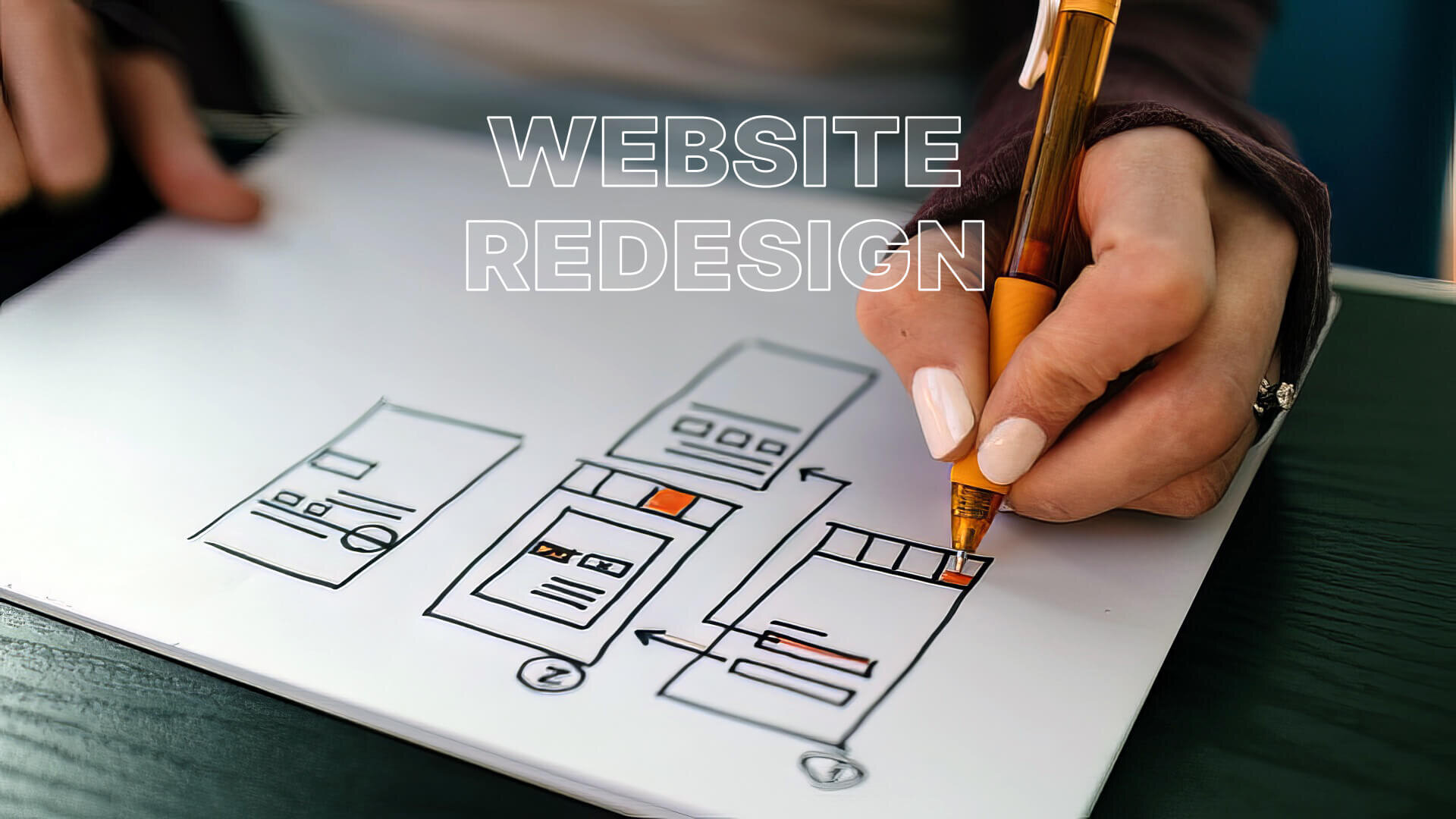
A website redesign is the process of giving your existing website a fresh and improved look, structure, and functionality. It involves making significant changes to the design, layout, content, and often the underlying technology to enhance user experience, align with current web trends, and achieve specific business goals. A website redesign isn’t just about aesthetics; it’s about optimizing your digital presence for maximum impact and relevance.

What Are Your Options for a Website Redesign?

  1. Visual Refresh: Sometimes, all your website needs is a visual facelift. This option involves updating the design elements like color schemes, typography, and imagery to give your website a contemporary look while retaining the existing structure and content.
  2. Content Overhaul: If your website’s content has become outdated or no longer aligns with your goals, a content overhaul is a smart choice. This option includes revising, adding, or removing content to ensure it’s relevant and engaging.
  3. Responsive Design: In an era of mobile browsing, having a responsive design is essential. This option involves making your website mobile-friendly, ensuring it looks and functions flawlessly on all devices, from smartphones to tablets.
  4. Improved Navigation: If users struggle to find what they’re looking for on your website, consider enhancing the navigation structure. This option streamlines the user journey, making it easier to access information and services.
  5. E-commerce Integration: If you’re selling academic materials or services, consider integrating e-commerce capabilities. This option allows you to sell products or subscriptions directly from your website.
  6. Technology Upgrade: An outdated technology stack can hinder your website’s performance and security. Upgrading your website’s underlying technology is a significant option to improve speed, security, and overall functionality.
  7. SEO Optimization: To improve your website’s visibility on search engines, consider SEO optimization. This option involves optimizing content, meta tags, and other elements to boost your search rankings.
  8. Enhanced Security: Cybersecurity is a paramount concern. This option involves bolstering your website’s security to protect user data and prevent breaches.
  9. Third-Party Integrations: You may want to integrate third-party tools or platforms to enhance functionality. This option can improve user experience and streamline operations.
  10. Full Redesign: In some cases, a comprehensive overhaul is necessary. This option entails rebuilding your website from the ground up, incorporating the latest design and technology trends.

At AcademicWritingScript.com, we offer a range of website redesign options tailored to your specific needs and goals. Our team of experts http://awasam.com is equipped to guide you through the process, from conceptualization to execution, ensuring that your redesigned website becomes a powerful asset in your academic journey.

Whether you choose a visual refresh, a content overhaul, responsive design, or any other option, we’re here to help you make the most informed decisions and achieve a website that not only looks great but serves your audience effectively.

Don’t let your website fall behind; explore your redesign options with AcademicWritingScript.com and embark on a digital journey that enhances your academic brand and engagement.

AcademicWritingScript.com – Redefining Your Online Academic Presence, One Redesign at a Time.

Benefits to considering a website redesign, which can significantly impact your online presence and business goals:


website redesign

website redesign

  1. Enhanced User Experience: A redesigned website can provide a more user-friendly and intuitive experience. Improving navigation, streamlining content, and optimizing layouts can make it easier for visitors to find what they need.
  2. Improved Aesthetics: A fresh design can make your website more visually appealing, reflecting a modern and professional image. This can increase trust and engagement among your audience.
  3. Mobile Responsiveness: Adapting your website for mobile devices ensures that it functions correctly on smartphones and tablets. This is crucial since a large percentage of internet users access websites via mobile devices.
  4. Better SEO Performance: A redesigned website can include SEO optimization, improving its search engine rankings. Enhanced SEO can increase your website’s visibility and attract more organic traffic.
  5. Faster Loading Times: Implementing modern technology and design principles can result in faster loading times for your website. Faster websites are more likely to retain visitors and improve the overall user experience.
  6. Content Relevance: An outdated website may have content that is no longer accurate or relevant. A redesign allows you to update your content to reflect the most current information and align it with your business goals.
  7. Security Enhancement: Outdated websites can be vulnerable to security breaches. A redesign can include security updates and measures to protect user data and the integrity of your website.
  8. E-commerce Integration: If you’re selling products or services, a website redesign can integrate e-commerce capabilities, enabling you to sell directly from your site and expand your revenue channels.

How to set up a Shopify website for my online store? 3

Shopify website 3

Elevate Your Academic Brand with Shopify Website Development at AcademicWritingScript.com

At http://academicwritingscript.com we understand that the academic world demands a strong online presence, and we are here to help you achieve just that. One of the ways we do this is through our specialized Shopify website development services. Let’s dive into what Shopify website development is and why you should choose us for such services.

What is Shopify Website Development?

Shopify is a leading e-commerce platform that empowers businesses to create and manage their online stores. Shopify website development involves the design, customization, and setup of your academic e-commerce website using the Shopify platform. This platform offers a user-friendly interface and a suite of features tailored to make your online store accessible, secure, and visually appealing.


Shopify website

Shopify website

Why Choose AcademicWritingScript.com for Shopify Website Development?

  1. Academic Expertise: We specialize in serving the academic community, and our Shopify website development services are no exception. We understand the unique needs of academic e-commerce, and we tailor your website to align with your brand and audience.
  2. Customization: Your academic e-commerce store should stand out. Our approach to Shopify website development includes complete customization, ensuring that your online store reflects your academic identity and goals.
  3. User-Friendly Experience: We prioritize creating online stores that are not only visually appealing but also user-friendly. Your audience will enjoy an intuitive shopping experience, making it easy to access academic materials and services.
  4. E-commerce Optimization: We optimize your Shopify website for e-commerce success. This includes secure payment gateways, easy navigation, and features that encourage purchases and subscriptions to academic materials.
  5. Security: Academic transactions are sensitive, and we take security seriously. Our Shopify website development approach prioritizes the protection of your financial and user data.
  6. Quality Assurance: Quality is our hallmark. Our dedicated quality assurance team reviews and edits your website to ensure it meets the highest standards of functionality, design, and security.
  7. Timely Delivery: Academic deadlines are non-negotiable. Our approach ensures that your Shopify website is delivered on time, without compromising on quality.
  8. Ongoing Support: We are committed to your long-term success. Our services include continuous support and maintenance to keep your Shopify store in optimal condition.
  9. Collaboration: We work closely with you, valuing your input and feedback throughout the development process. Your satisfaction is our priority, and we consider your vision at every step.
  10. Reputation and Trust: AcademicWritingScript.com has earned a reputation for professionalism and excellence in serving the academic community. We have the trust of numerous academic clients who continue to choose us for their Shopify website development needs.

Your academic e-commerce store is not just a platform; it’s a gateway to distributing and monetizing academic content. Trust AcademicWritingScript.com for Shopify website development, and together, we’ll create a digital presence that reflects your academic excellence and engages your audience effectively.

Choose us http://awasam.com for Shopify website development and experience a seamless journey toward academic e-commerce success. We are dedicated to empowering your academic mission and vision through exceptional website development.

AcademicWritingScript.com – Elevating Your Academic Brand through Shopify Website Development.


Shopify Web Design | We Build Custom Shopify Themes

Setting up a Shopify website for your online store offers several key benefits:

  1. User-Friendly Platform: Shopify is known for its user-friendly interface. You don’t need advanced technical skills to set up and manage your online store. It’s designed to be intuitive and accessible.
  2. Customization: You can choose from a variety of free and premium themes to give your online store a unique and professional look. The themes are customizable, allowing you to tailor the design to your brand.
  3. Scalability: Shopify is suitable for businesses of all sizes. Whether you’re a small startup or an established enterprise, you can easily scale your store as your business grows.
  4. Security: Shopify takes security seriously. Your online store is hosted on secure servers, and the platform is compliant with industry standards. This ensures the safety of your customers’ data and your online transactions.
  5. Reliable Hosting: Shopify provides reliable and high-quality hosting for your website. You don’t have to worry about server maintenance, downtime, or speed issues.
  6. Mobile Optimization: With the increasing use of mobile devices, Shopify ensures that your online store is mobile-responsive. Your website will look and function well on smartphones and tablets.
  7. Payment Options: Shopify supports various payment gateways, making it easy for customers to make purchases. You can also offer multiple payment methods, including credit cards, PayPal, and more.
  8. Built-In SEO Features: Shopify is equipped with SEO tools to help improve your website’s visibility in search engines. You can optimize your content, meta tags, and URLs to enhance your search rankings.
  9. App Integration: Shopify has a vast app store with thousands of apps that extend the functionality of your online store. You can add features like email marketing, inventory management, and social media integration.
  10. Robust Analytics: Shopify provides detailed analytics and reporting tools that allow you to track sales, customer behavior, and other essential metrics. This data can help you make informed business decisions.
  11. Customer Support: Shopify offers 24/7 customer support to assist with any issues or questions you may have during the setup and operation of your store.
  12. Legal Compliance: Shopify provides templates and guidance for creating essential legal pages like Privacy Policy and Terms and Conditions, helping you comply with legal requirements.
  13. Online Presence: Having an online store on Shopify can significantly expand your reach. You can reach a broader audience and even tap into international markets.
  14. Marketing and Sales Features: You can easily set up discount codes, promotions, and email marketing campaigns to boost your sales and engage your customers effectively.
  15. Inventory Management: Shopify offers robust inventory management features, helping you keep track of your products and manage your stock efficiently.
  16. Multi-Channel Sales: You can sell your products not only on your online store but also on various platforms like Facebook, Instagram, and Amazon through Shopify.
  17. Community and Resources: Shopify has a strong and supportive community of users and developers. You can find resources, guides, and forums to help you with any challenges or questions.

In summary, Shopify provides a reliable and feature-rich platform for setting up and managing your online store. Its user-friendly nature, customization options, and extensive features make it a popular choice for e-commerce businesses. Whether you’re just starting or looking to expand your online presence, Shopify offers numerous benefits to help you succeed.

Why opt for WordPress website development for my blog? 4

WordPress website development 4

Unlocking the Power of WordPress Website Development at AcademicWritingScript.com

At http://academicwritingscript.com , we understand that your online presence is a critical component of your academic success. That’s why we offer expert WordPress website development services to help you showcase your academic prowess and engage your audience effectively.


WordPress website development

WordPress website development


What is WordPress Website Development?

WordPress is a popular and highly versatile content management system (CMS) used to create and manage websites. WordPress website development involves the design, creation, and customization of websites using the WordPress platform. It provides a user-friendly and highly flexible environment for building and maintaining websites, making it a top choice for academic blogs and beyond.

Advantages of WordPress Website Development for Academic Blogs:

  1. User-Friendly Interface: WordPress boasts an intuitive and easy-to-use dashboard. This user-friendly interface allows even those with minimal technical expertise to manage their academic blogs effectively.
  2. Vast Plugin Library: WordPress offers a vast library of plugins that extend your blog’s functionality. From SEO optimization to social media integration and e-commerce capabilities, you can enhance your blog’s features to suit your specific academic needs.
  3. Customization: Academic blogs often have unique design and branding requirements. WordPress website development allows for complete customization, enabling you to create a blog that aligns perfectly with your academic brand.
  4. SEO-Friendly: Search engine optimization (SEO) is crucial for academic blogs. WordPress is inherently SEO-friendly, with features that make it easier to optimize your content for search engines, ensuring better discoverability.
  5. Responsive Design: Academic blogs must be accessible across various devices. WordPress offers responsive design themes, ensuring that your blog looks and functions perfectly on desktops, tablets, and mobile devices.
  6. Content Management: Managing academic content is a breeze with WordPress. You can effortlessly organize, edit, and schedule your blog posts, making it a powerful platform for academic writing.
  7. Security: WordPress takes security seriously, and with regular updates and security plugins, your academic blog remains protected from potential threats and vulnerabilities.
  8. Blogging Features: WordPress was originally designed for blogging, and it excels in this area. It offers features such as categories, tags, comments, and social sharing, enhancing the blogging experience.
  9. Scalability: Whether you’re a single blogger or part of a larger academic community, WordPress can scale to meet your needs. It’s equally suitable for personal academic blogs and academic institutions.
  10. Community and Support: The WordPress community is vast and active, providing a wealth of resources, support, and solutions for any challenges you may encounter during your academic blogging journey.

Academic blogs play a vital role in knowledge dissemination and academic discourse. With WordPress website development at AcademicWritingScript.com, you can harness the advantages of this powerful platform to create a professional, customized, and user-friendly blog that enhances your academic presence and engages your audience effectively.

Choose AcademicWritingScript.com for WordPress website development and let your academic blog stand out as a beacon of knowledge and excellence in the academic world.

AcademicWritingScript.com – Empowering Your Academic Journey Through WordPress Website Development.

Why Choose AcademicWritingScript.com for Your WordPress Website Development?

We understand that the choice of a partner for your WordPress website development is a critical decision. At AcademicWritingScript.com, we are not just a service provider; we are your dedicated partner in ensuring your academic website stands out and engages your audience effectively. Here are compelling reasons why you should turn to us for your WordPress website development needs:

1. Academic Expertise: We specialize in serving the academic community. Our team includes professionals with a deep understanding of academic needs, http://awasam.com ensuring that your website is tailor-made for your specific requirements.

2. Customization: Your academic website should reflect your unique identity. Our WordPress website development approach is all about customization, aligning your website with your brand and vision.

3. User-Friendly Experience: We create websites that are not only visually appealing but also user-friendly. Your audience will enjoy an intuitive browsing experience, making it easier for them to access and engage with your academic content.

4. SEO Optimization: We understand the importance of visibility in the academic world. Our approach includes SEO optimization techniques that will improve your website’s search engine rankings, attracting more academic visitors.

5. Security: Academic content is precious. Our WordPress website development prioritizes security, safeguarding your data from potential threats and breaches.

6. Quality Assurance: Quality is our hallmark. We have a dedicated quality assurance team that meticulously reviews and edits your website to ensure it meets the highest standards of grammar, style, and coherence.

7. Timely Delivery: We respect academic deadlines. Our approach ensures that your website is delivered on time, without compromising on quality.

8. Ongoing Support: Our commitment to your success doesn’t end with the website launch. We provide continuous support and maintenance services to keep your website in optimal condition.

9. Collaboration: We work in close collaboration with you, valuing your feedback and incorporating your input throughout the development process. Your satisfaction is our priority.

10. Reputation and Trust: AcademicWritingScript.com is recognized for its professionalism and excellence in serving the academic community. We have earned the trust of numerous academic clients who continue to turn to us for their website development needs.

In the academic world, your website is a powerful tool for knowledge dissemination and engagement. Trust AcademicWritingScript.com for your WordPress website development, and together, we’ll create a digital presence that reflects your academic excellence, engages your audience effectively, and enhances your reputation in the academic community.

Turn to us for WordPress website development and experience a seamless journey toward academic digital success. We are dedicated to empowering your academic mission and vision through exceptional website development.

Let’s embark on this journey together, and together, we’ll create a digital presence that reflects your academic excellence.